

Environmental benefits of buying recycled auto parts
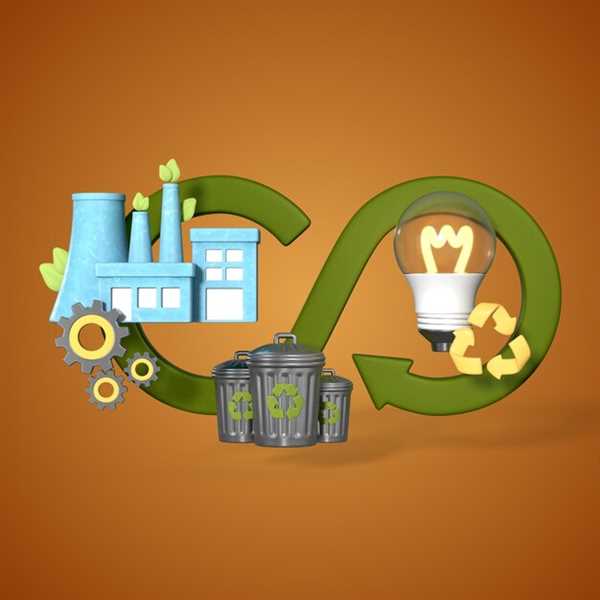
Utilizing salvaged vehicle components significantly reduces waste, contributing to a cleaner planet. Statistics show that recycling automotive materials can lead to a decrease in energy consumption by 50-90%, depending on the part being reused. This reduction is crucial in tackling greenhouse gas emissions. Implementing secondhand vehicle components invites a cycle of sustainability. By sourcing these…

Used body panels and when they make sense
Opt for carefully selected parts to enhance both performance and aesthetics of your vehicle. Reliable sources, such as established salvage yards or online marketplaces specializing in automotive components, can provide significant cost savings while maintaining quality. Inspect the integrity of each component thoroughly. Check for any signs of rust, dents, or warping, which can compromise…
Why color matching matters for used exterior parts
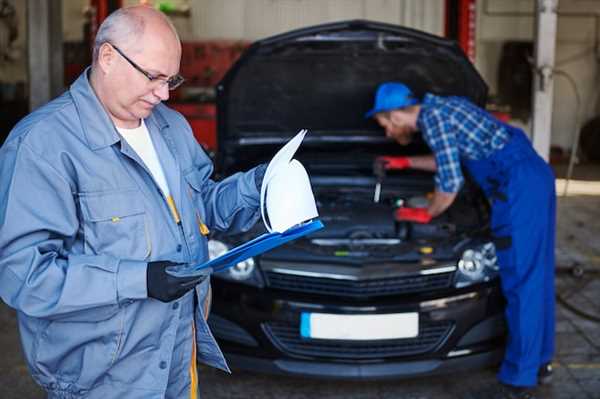
Achieving a seamless blend of shades in refurbished components elevates the appearance of a vehicle significantly. For those seeking to enhance their car’s aesthetic, precise tone alignment should be a top priority. Focus on obtaining a reliable color code, which can be found through manufacturer databases or expert consultations. Utilizing professional color scanning technology is…

Why scrapyards are important for vehicle recycling
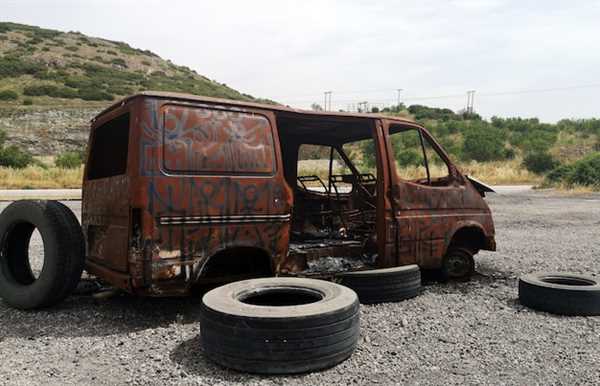
For anyone considering the disposal of an old automobile, utilizing a salvage yard is a practical choice that can yield both financial and environmental benefits. These locations play a pivotal role in the transformation of unwanted cars into reusable parts and materials, significantly contributing to sustainability efforts. By opting for recycling at such sites, one…

Why recycling cars helps conserve natural resources
Opting for environmentally friendly disposal methods significantly minimizes waste and maximizes material recovery. Approximately 75% of a vehicle is recyclable, with metals such as steel and aluminum being prime candidates for reuse in new manufacturing processes. Moreover, car batteries contain valuable components like lead and lithium that, when processed correctly, can prevent toxic contamination and…
What affects the quality of salvage auto parts
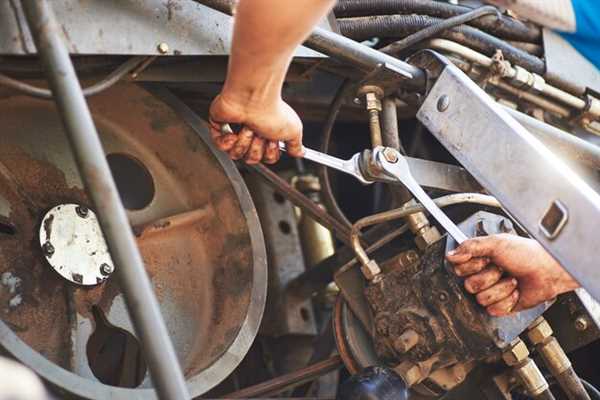
Prioritize inspecting the provenance of each reclaimed component before purchase. Understanding the vehicle’s history, including previous damage and maintenance records, can significantly impact durability and performance. Components sourced from well-maintained vehicles are often more reliable and longer-lasting. Examine the condition of components meticulously. Look for signs of wear, rust, and damage that could compromise functionality….

How mileage impacts salvage component lifespan
Maximize your vehicle’s performance by closely monitoring the distance traveled. Understanding how distance impacts the quality and durability of car parts can lead to better maintenance decisions and optimized replacement timing. Regularly evaluate the wear and tear on key components, especially as the odometer climbs. Parts subjected to increased use exhibit varying degrees of fatigue,…
Drivetrain parts commonly recovered from wrecked vehicles
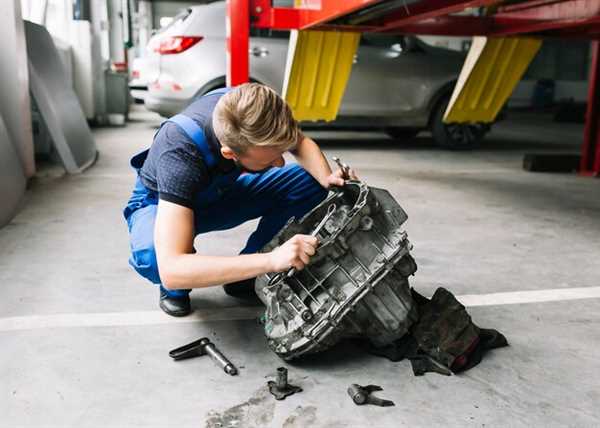
For those looking to enhance their car’s performance or repair a malfunctioning system, salvaging elements from damaged units can be a smart move. Prioritize inspecting the transmission assemblies and differentials, as these components often remain unscathed despite collision impacts. Fuel systems, including pumps and injectors, represent another area rich with opportunity. They frequently retain their…

When selling a damaged car to a wrecking yard makes sense
Consider handing over that non-functioning automobile to a salvage facility as a practical step. This choice not only alleviates the burden of costly repairs but also provides immediate financial compensation and frees up valuable space. The process can be remarkably straightforward. Many establishments are equipped to assess the state of your vehicle and offer a…

What to look for in a reliable auto wrecking yard
Prioritize facilities that demonstrate a solid reputation within the community. Look for online reviews and customer testimonials that highlight the reliability of the services offered. A trusted operation often has a strong presence and positive feedback from previous customers. Examine the inventory carefully. A dependable facility should maintain an up-to-date catalog of available parts, ensuring…